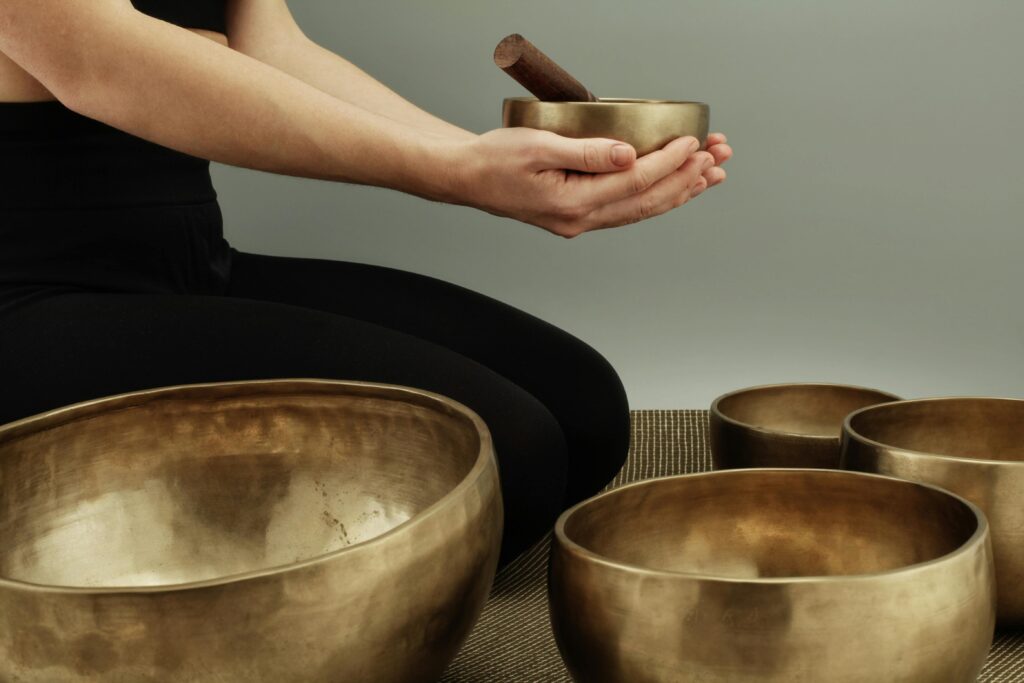
If you’ve ever found yourself soothed by a favorite song, or calmed by rhythmic drumming, then you’ve already experienced the power of sound resonance. As someone who has worked with clients over the span of two decades to manage and reduce their anxiety, I’ve seen firsthand how targeted use of sound vibrations can guide the mind and body toward a calmer state. This article will walk you through exactly how sound resonance helps with anxiety, which tools to consider, and what steps you can take today to begin integrating this approach into your wellness routine.
What Is Sound Resonance Therapy?
Sound resonance therapy, sometimes referred to as vibroacoustic therapy, is a form of therapeutic intervention that uses low-frequency sound waves and vibrations to bring about a deep relaxation response. By listening and literally feeling these sound waves, individuals often experience:
- Reduced muscle tension
- Enhanced mood stability
- Lower perceived stress and anxiety levels
This gentle yet immersive practice taps into the body’s natural tendencies to synchronize with consistent rhythmic patterns—promoting an overall sense of well-being.
The Science Behind Sound Resonance
1. Brainwave Entrainment
When your ears detect rhythmic sounds, your brain naturally tries to match its electrical pulses (brainwaves) to the beat. This phenomenon, known as entrainment, can help shift you from a beta (alert, sometimes anxious) brainwave state to an alpha or theta state (relaxed and creative).
2. Stimulating the Relaxation Response
By sending low-frequency vibrations through your muscles and tissues, sound resonance stimulates what’s often called the relaxation response, a physiological shift in the body that counters the stress-driven fight-or-flight reaction.
3. Improved Mind-Body Connection
Sound resonance therapy can help cultivate mindfulness by steering attention inward. This can amplify the benefits of other anxiety-reduction techniques, such as deep breathing or guided meditation, helping you remain present and engaged.
Why Sound Resonance Can Help With Anxiety
- Calms the Nervous System:
The gentle vibrations and soothing tones help reduce the production of stress hormones (like cortisol), bringing your nervous system back into balance. - Increases Self-Awareness:
Focusing on sound and vibration heightens your awareness of physical tension and emotional stress, so you can let go and relax. - Enhances Emotional Regulation:
Regularly immersing yourself in a resonant sound environment builds emotional resilience, making it easier to cope with day-to-day stressors.
Recommended Products & Resources
If you’re looking to integrate sound resonance therapy into your routine, here are some highly regarded tools and devices:
1. inHarmony Sound Lounge 2
- Key Feature: Ergonomically designed lounge that delivers full-body vibroacoustic experiences.
- Why It Helps: Its immersive sound waves and gentle vibration can promote a deeply relaxing environment right in your home.
- User Feedback: Customers often highlight significant improvement in reducing stress levels, improved sleep, and a more consistent sense of calm.
2. Zenthesia Vibroacoustic Sound Table
- Key Feature: A multipurpose table engineered to transmit soothing vibrations through different musical frequencies.
- Why It Helps: The flat, comfortable surface allows you to lie down and let the frequencies resonate through your body, relieving tension and enhancing mindfulness.
- User Feedback: Many report a heightened sense of body awareness, with quicker and more profound relaxation compared to traditional meditation practices.
3. BioHarmonic Technologies V.I.B.E 3.1 Professional Grade Wellness System
- Key Feature: A high-end system used by some wellness practitioners, combining advanced speakers and amplifiers for a fully customizable experience.
- Why It Helps: The precision-tuned technology targets specific frequencies associated with anxiety and emotional stress, offering a tailored approach.
- User Feedback: Clinicians and at-home users alike praise its versatility in addressing a range of stress and relaxation needs.
How to Get Started: Actionable Takeaways
- Set a Calming Environment
- Dim the lights or use a soft lamp.
- Diffuse a calming essential oil like lavender if you’d like a multi-sensory experience.
- Turn off notifications and let loved ones know you’ll be unavailable for a short period.
- Pick a Sound Program
- Many devices come with curated tracks or pre-set frequency programs for stress relief.
- If you don’t have a dedicated device yet, start with free online resources of therapeutic music or guided meditations.
- Begin With Short Sessions
- Start with just 10–15 minutes to let your body acclimate to the vibrations.
- Gradually work up to 30 minutes or longer if it feels comfortable.
- Focus on Your Breathing
- Inhale deeply for four counts, hold for two counts, and exhale for six counts.
- Coordinate your breath with the rhythm of the sound to deepen the relaxation response.
- Journal Your Experience
- After each session, jot down any noticeable changes in mood, tension, or clarity.
- Over time, this helps you pinpoint which frequencies or methods offer the most relief.
Conclusion
Sound resonance therapy offers a unique, science-backed method for managing anxiety by leveraging the body’s innate response to rhythmic vibrations. Whether you choose a professional-grade device like inHarmony Sound Lounge 2, explore a Zenthesia Vibroacoustic Sound Table, or opt for the BioHarmonic Technologies V.I.B.E 3.1 Wellness System, the key is consistency and mindfulness. Remember, true change comes from regular practice and a willingness to explore new avenues of self-care.
If you’re looking to dive deeper into practical steps and daily routines that can help you manage anxiety effectively, download our free 3-step guide to better anxiety and begin transforming your mental health journey today.
Call to Action
- Try a Quick Session Today: Grab a pair of headphones or explore free vibroacoustic audio online to experience an introduction to sound resonance therapy.
- Share Your Story: Have you tried sound-based relaxation methods? Leave a comment below to let us know what worked—and what didn’t.
- Stay Connected: Bookmark this blog and check back for more evidence-based strategies and product reviews to help you tackle anxiety and live a more balanced life.
Disclaimer: This post is for informational purposes only and does not replace professional mental health advice. Always consult with a qualified healthcare provider for personalized care.